
Why Beautiful Websites Still Don’t Convert
A beautiful website does not automatically create trust. Or clarity. Or connection. And that’s often where the disconnect begins. Many websites today are visually polished. They have beautiful photography, thoughtful typography, elegant color palettes, and carefully curated layouts. At first glance, they look like they’re doing everything right. Yet visitors still leave without reaching out. Not because the work isn’t good. Because the experience never gave them a reason to move forward.
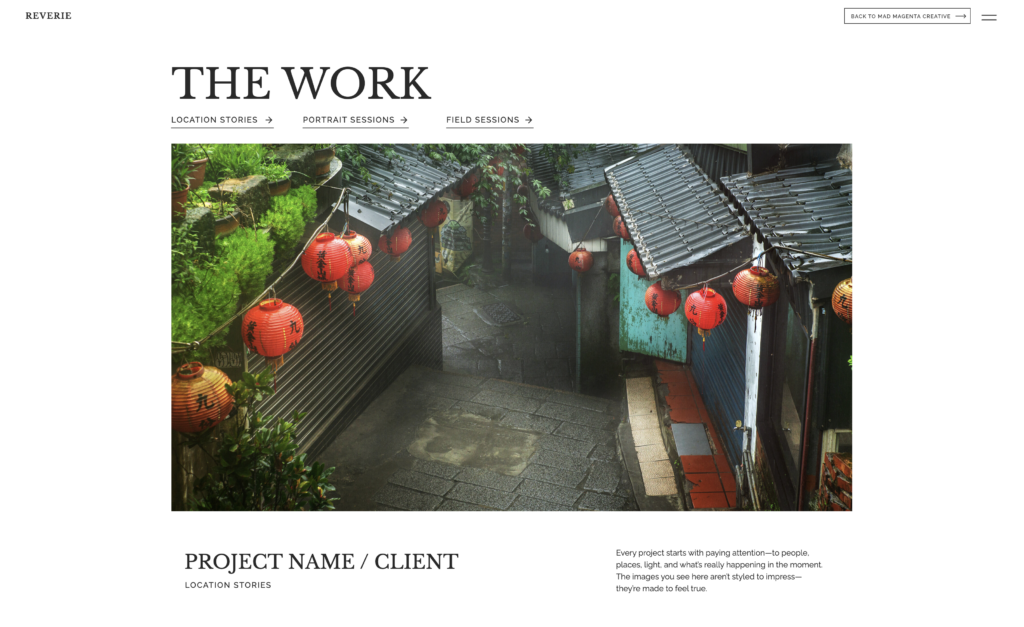
People aren’t just looking at your website. They’re trying to understand you.
Within seconds of landing on a website, visitors begin answering a series of questions—often without realizing they’re doing it. Can I trust this person? Do they understand what I need? What makes them different from everyone else I could hire? What would it actually feel like to work with them? Most people never consciously think through those questions one by one. But they’re constantly gathering clues that help them decide whether to stay, keep exploring, or leave. Every element on your website contributes to that impression.
Beautiful has become the baseline.
There was a time when simply having a polished website helped you stand out. Today, beautiful design is much more accessible. You can purchase a well-designed template, hire an excellent photographer, or use AI to help write polished copy. That’s a wonderful thing. But it also means aesthetics alone rarely create distinction anymore. The websites that leave a lasting impression don’t just look beautiful. They help people feel something. They create confidence. They reduce uncertainty. They make the next step feel obvious.
The difference isn’t the design. It’s the experience.
Imagine two photographers with equally beautiful portfolios.
The first website opens with a familiar headline and a gallery of stunning images. The work is excellent, but you’re left trying to piece together who they are, what makes them different, and whether they’d be the right fit for your wedding. The second website is just as beautiful. But as you scroll, everything feels intentional.
The messaging speaks directly to the kind of client they’re hoping to serve. The imagery unfolds with purpose instead of simply filling space. Their process answers questions before you even think to ask them. By the time you reach the inquiry button, you don’t just admire their work—you understand them.
The photography may be equally strong. But one website creates certainty. The other leaves you to connect the dots yourself. That certainty is often what creates conversion.
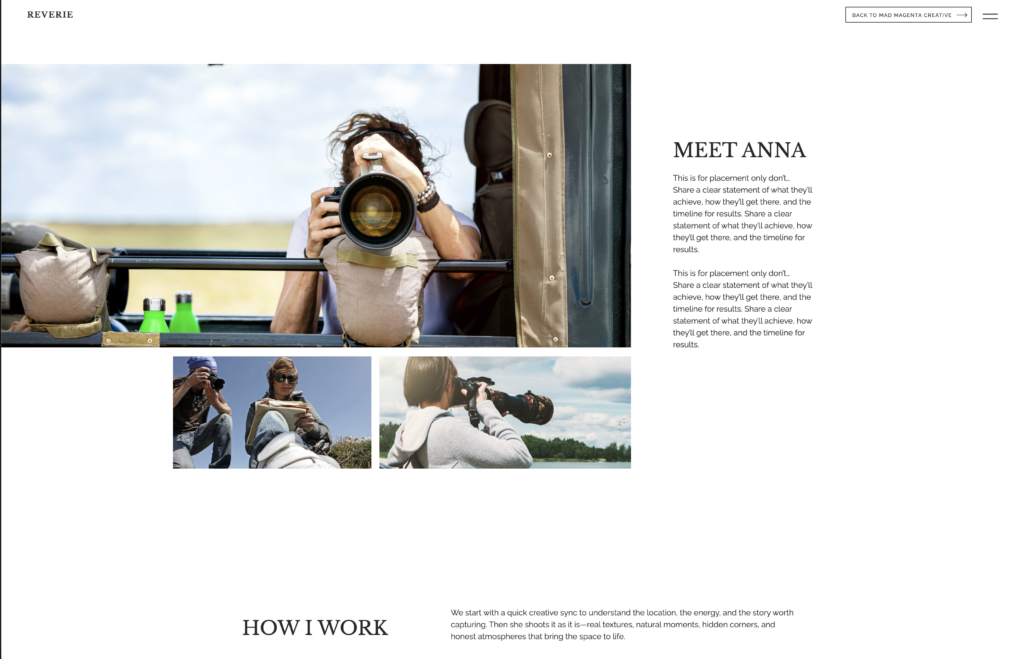
Small details communicate more than we realize.
One of the things I love most about design is that people respond to it long before they consciously understand why.
White space doesn’t simply make a website feel cleaner. It creates room to breathe. It communicates confidence.
Clear hierarchy quietly tells visitors what’s important and what isn’t, making the experience feel effortless instead of overwhelming.
A thoughtfully explained process reduces anxiety because it answers one of the biggest questions every client has: What happens after I inquire?
Consistent typography, spacing, and pacing create a feeling of cohesion. They signal that someone has been intentional—that nothing feels accidental.
Visitors may never stop to identify these individual choices.
But they absolutely experience them.
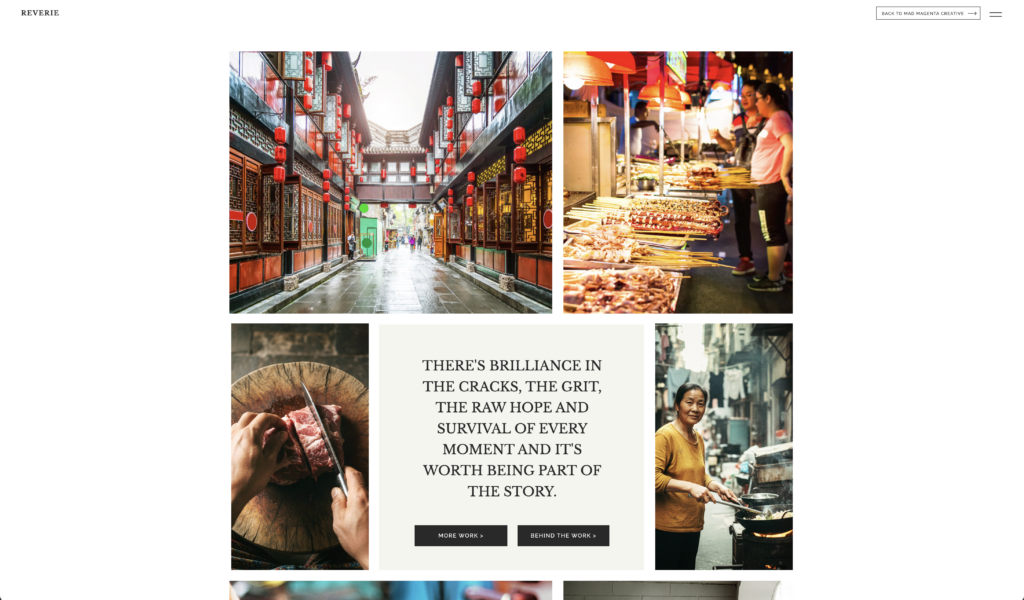
Trust is built through intentionality.
The strongest websites aren’t simply portfolios. They’re carefully crafted experiences. They guide perception through thoughtful structure, meaningful messaging, emotional pacing, storytelling, and clarity. Rather than asking visitors to figure everything out on their own, they remove friction. They answer unspoken questions. They help people feel understood before they’ve ever scheduled a call. Because people don’t make decisions based only on logic. They make decisions based on trust, familiarity, confidence, and emotion. The role of a website isn’t simply to showcase beautiful work. It’s to help someone feel confident enough to take the next step.
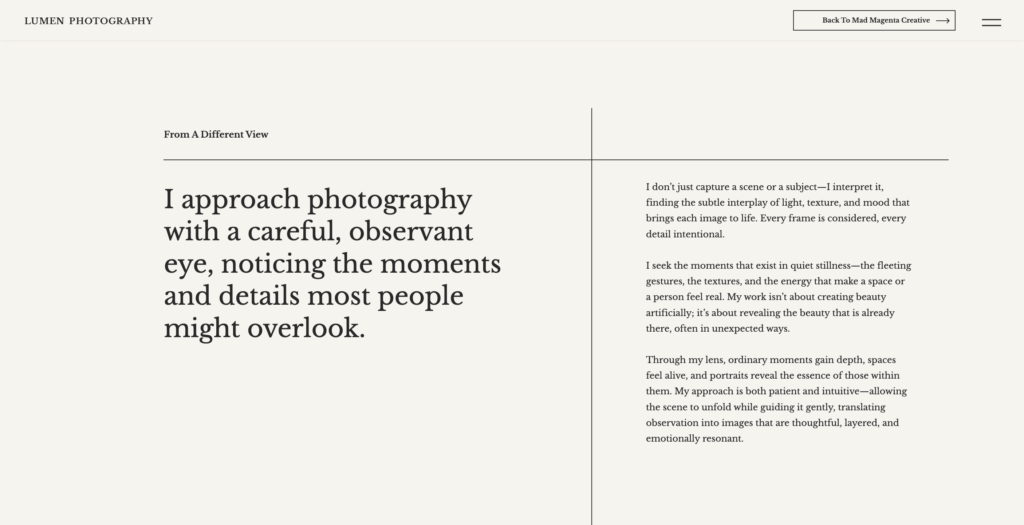
Beauty opens the door. Clarity moves people through it.
If your website is beautiful but inquiries have slowed, it doesn’t necessarily mean you need a complete redesign.Often, the bigger opportunity isn’t changing how the site looks.It’s changing how it communicates.The strongest brands don’t rely on aesthetics alone.They intentionally shape how people experience the business behind the visuals.Because in the end, people aren’t just choosing beautiful work.They’re choosing the person they believe understands them best.
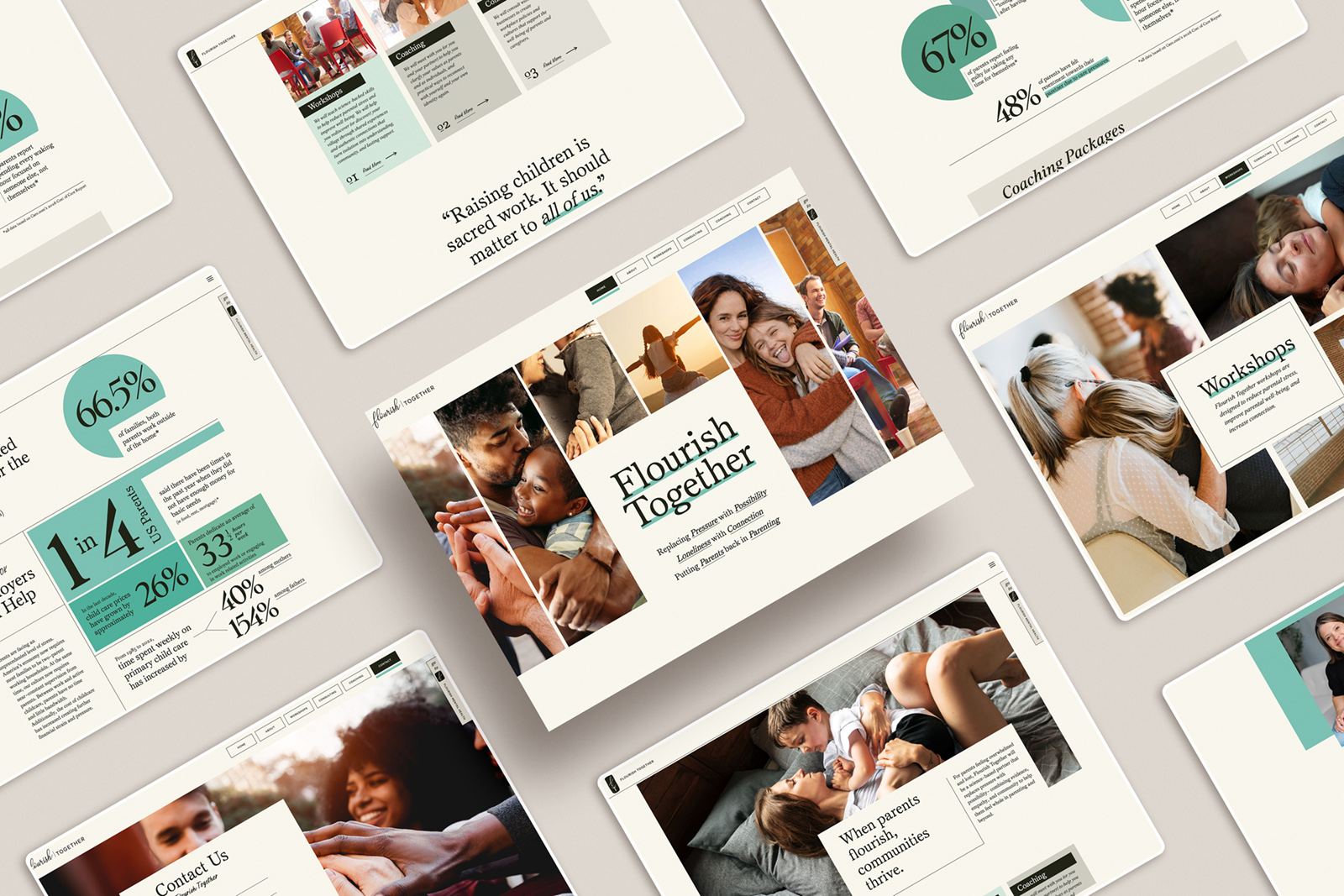
If you’re curious what this looks like in practice, I designed Lumen around these same principles—intentional hierarchy, thoughtful storytelling, emotional pacing, and creating connection beyond simply displaying beautiful work.
[View the template →]
(click on “live demo” to see in action)
be the first to leave a comment