
Refinement Creates Trust
Refinement Creates Trust
Long before someone reads your About page or looks through your portfolio, they’ve already started forming an impression of your business.
It isn’t because people are shallow. It’s because we’re human.
We’re constantly scanning our surroundings for cues that help us decide what feels trustworthy, thoughtful, organized, or safe. We do it when we walk into a restaurant, step inside someone’s home, or meet someone for the first time. A website is no different.
Most of those impressions happen quietly. We don’t consciously think, The spacing on this page makes me trust them. Instead, our brains collect dozens of small signals and assemble them into a feeling. We simply know whether something feels considered or whether it feels like it was put together in a hurry.
That’s why refinement matters.
Over the years, I’ve noticed that people often think refinement means making something more polished or more expensive looking. But that’s not really what it is.
Refinement is intention.
It’s making deliberate choices instead of accidental ones. It’s paying attention to the experience someone is having as they move through your website, not just whether the individual pieces look good on their own.
Sometimes that shows up in obvious ways, like clear messaging or strong photography. More often, it’s found in the details people barely notice.
The rhythm of the page.
The amount of space around a headline.
The order information is revealed.
Whether the typography feels consistent from beginning to end.
Whether every section feels like it belongs to the same story.
None of those decisions usually stand out by themselves. Together, though, they create a feeling.
That feeling becomes your brand.
There’s a phrase my mom used to say when I was growing up: “How you do something is how you do everything.”
I’ve thought about that phrase often throughout my career because it applies to branding in a way I don’t think we talk about enough.
When a website feels cluttered, inconsistent, or unfinished, people rarely stop to analyze why. Instead, they begin making quiet assumptions about the business behind it.
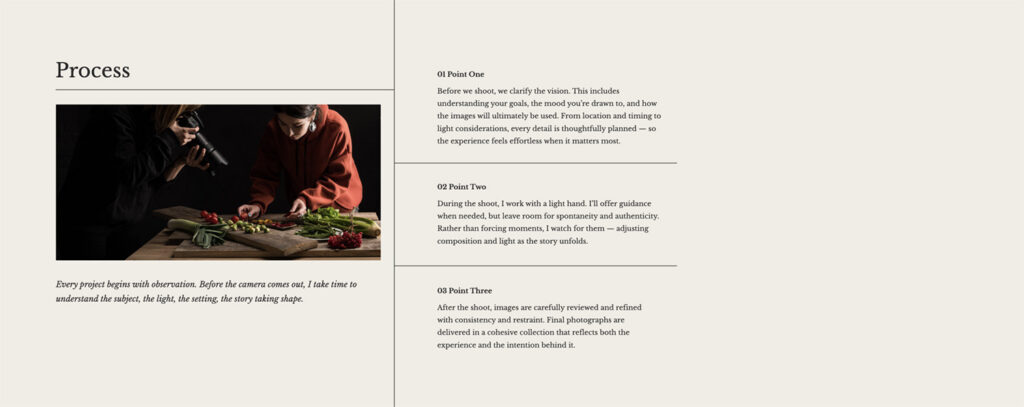
If the website feels rushed, will the process feel rushed?
If the messaging feels unclear, will communication be unclear too?
If small details have been overlooked here, will the same thing happen during the project?
Whether those assumptions are fair isn’t really the point. They happen anyway.
The opposite is true as well.
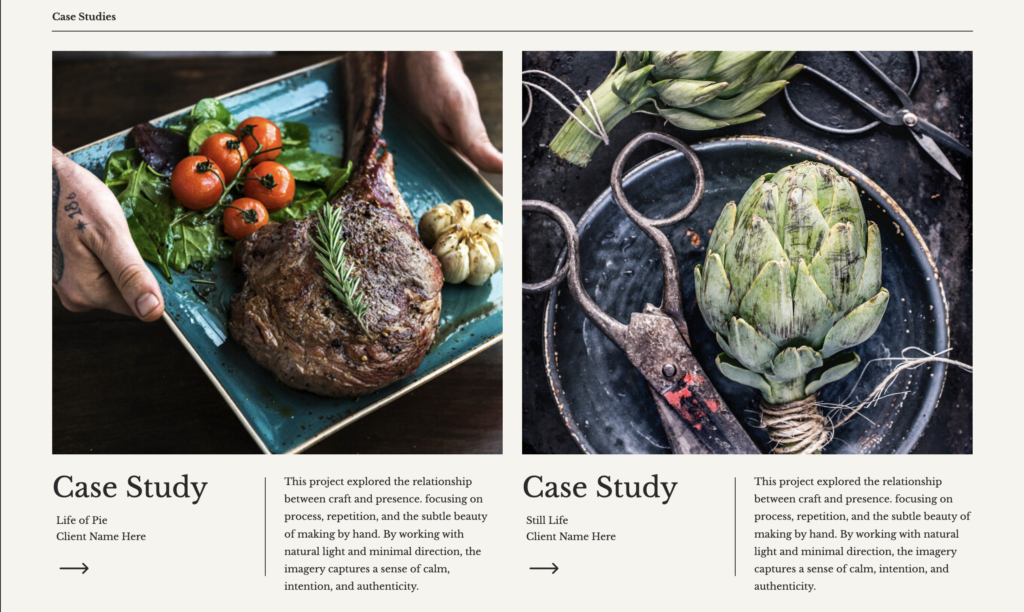
When a website feels calm, cohesive, and thoughtfully organized, visitors naturally assume the experience behind it will feel that way too. They begin to expect clear communication, attention to detail, and someone who cares about getting the little things right.
Trust often begins long before anyone clicks the inquiry button.
This is why I believe refinement isn’t about perfection.
In fact, some of my favorite brands aren’t perfect at all. They simply feel intentional. Every decision seems to support the larger story they’re trying to tell.
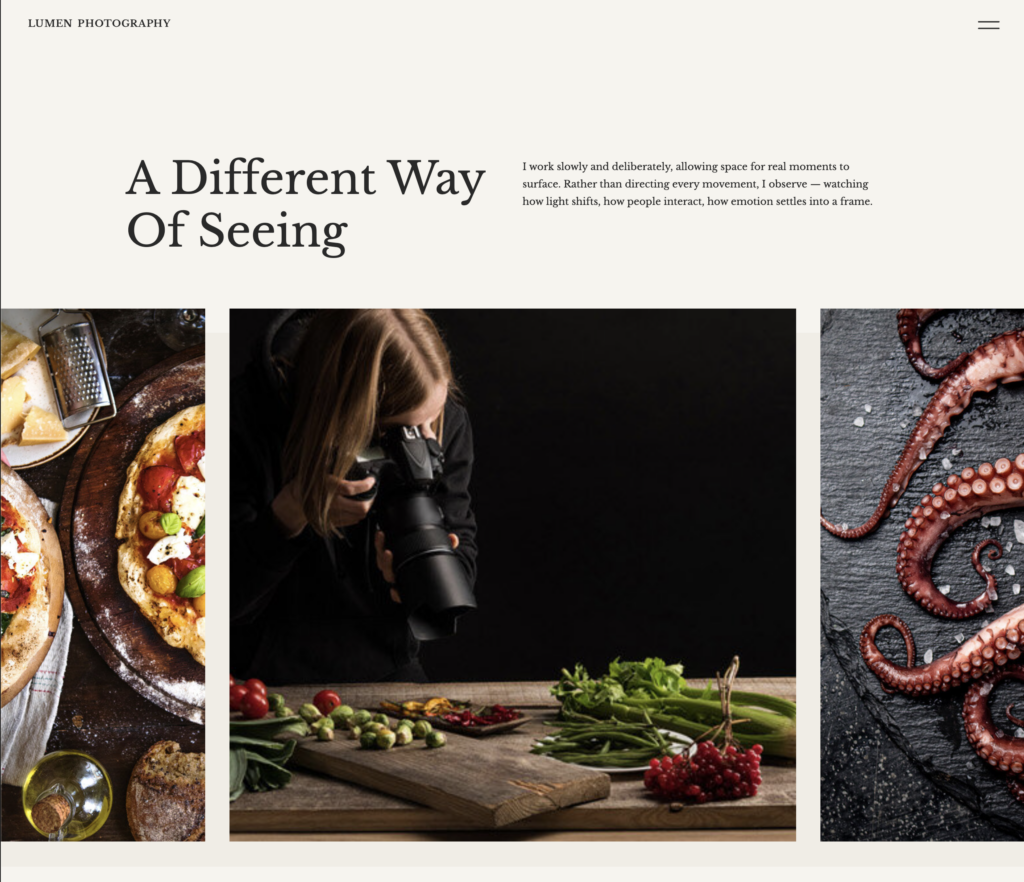
A refined website doesn’t ask visitors to work hard. It doesn’t overwhelm them with choices or make them search for what’s important. It quietly guides them from one idea to the next, reducing uncertainty along the way.
That’s what thoughtful design does.
It creates an experience that feels easy to move through, and in doing so, it creates confidence in the person behind it.
Design has always been about more than making something beautiful.
At its best, it’s a way of communicating care.
It’s a series of thoughtful decisions that tell someone, often before a single conversation takes place, I’ve considered your experience.
And that may be one of the most powerful ways a brand earns trust.
If you’d like to see what these ideas look like in practice, take a look at Lumen, my Showit template for photographers. Every decision—from the page structure to the pacing, typography, and storytelling—was designed with this same belief in mind: that the smallest details often shape the biggest impressions.
[View Template →]
(Click “Live Demo” to explore)
be the first to leave a comment