
Photographers: You’re Not Just Selling Your Work
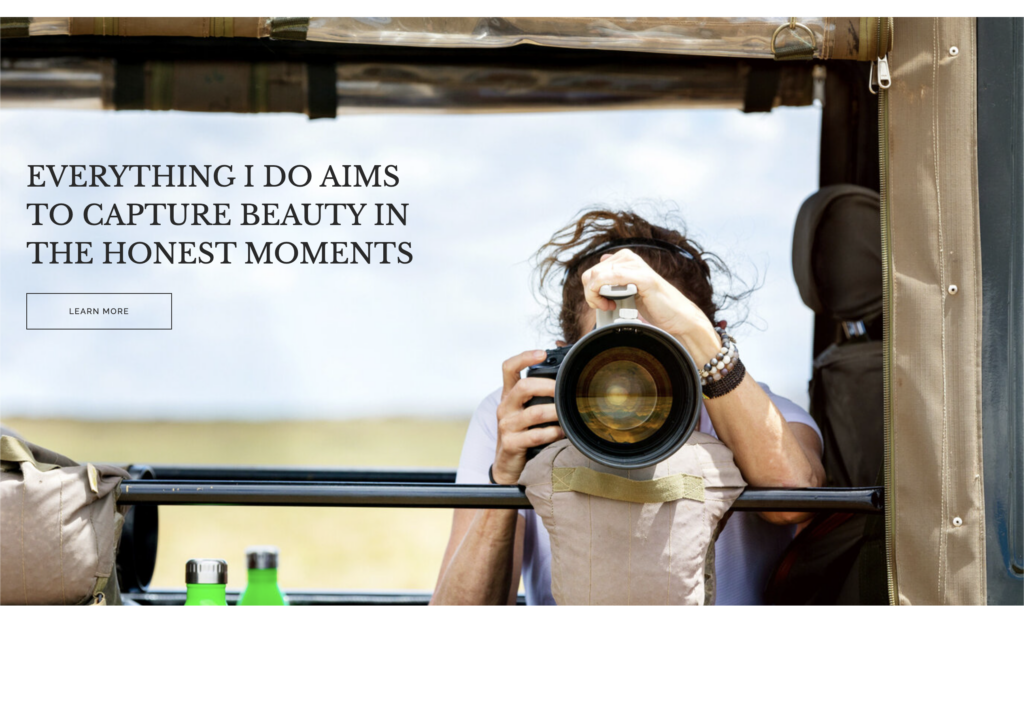
It’s easy to assume that people hire photographers because they love the work. Of course the work matters. It gets you on the shortlist. It’s often what stops someone from scrolling and convinces them you’re capable of producing what they’re looking for. But by the time someone is deciding who to hire, something else starts happening. They’re no longer evaluating the photographs alone. They’re imagining the experience of working with the person behind them.
For a commercial client, that might mean wondering who they want to spend long days with on set. Who they trust to solve problems when things don’t go according to plan. Who will represent their brand well in front of their team or their client.
For a couple planning a wedding, it might be someone they’re inviting into one of the most meaningful days of their lives. They want to know who will help them feel comfortable, keep things calm, and notice the moments they didn’t even realize were happening. The questions are different. But underneath them is the same idea. People aren’t just choosing the work. They’re choosing the person. That’s where I think many photography websites unintentionally stop short.
The portfolio is beautiful. The images speak for themselves. But beyond that, visitors are left trying to fill in the blanks. What’s this photographer like? How do they approach their work? What do they notice that someone else might miss? What kind of experience will this actually be?
Most About pages don’t answer those questions. They often read like a résumé—a list of accomplishments, publications, or years in business. Those things certainly help establish credibility, but they don’t always help someone understand what it feels like to work with you.
And that’s often what they’re looking for.
One of the most powerful ways to build trust isn’t by saying you’re experienced. It’s by letting people see how you think. Maybe you explain why you chose a particular location for a shoot. Maybe you share what drew you to a specific image in a gallery. Maybe you tell the story behind a moment that most people would have walked past. Those small pieces of context do something a portfolio alone can’t. They reveal your perspective.
Over time, that perspective becomes part of your value.
I’ve found that the strongest websites don’t separate the work from the person behind it. Instead, they weave those two things together.
A project page isn’t just a collection of finished images. It’s an opportunity to help someone understand your process, your eye, and the decisions that shaped the final result.
Without changing the visual feel of the website, the experience becomes richer. The visitor isn’t simply looking at beautiful photographs anymore. They’re beginning to understand the photographer who made them. That shift is subtle, but it’s important. Because people rarely hire someone based on skill alone. They hire the person they feel most confident trusting with the job.
If your portfolio feels strong but your website still isn’t creating the kind of connection you’d hoped for, it may not be a matter of adding more work. It may simply be a matter of giving people a clearer sense of the person behind it.
Your photographs show what you create.
Your website has the opportunity to show how you think.
And sometimes that’s the very thing that turns admiration into trust.
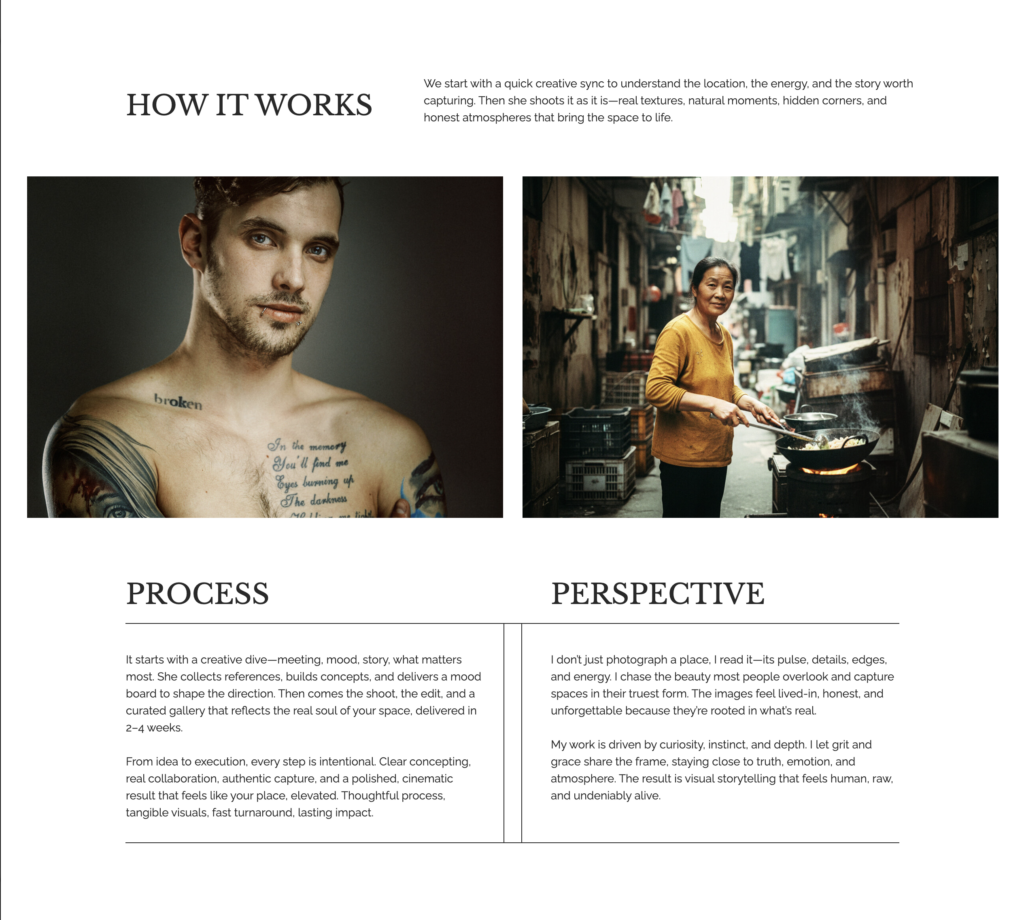
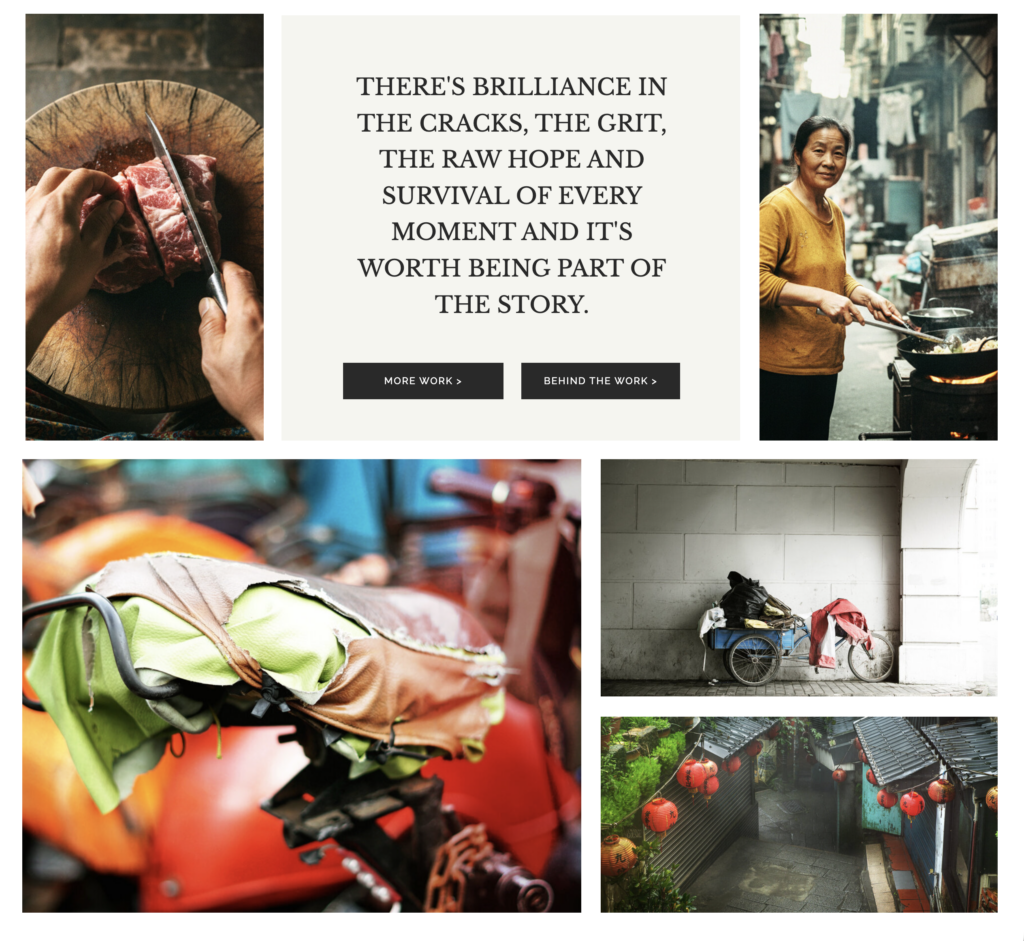
If you’re building a photography website, this is one of the ideas I kept coming back to while designing Reverie. The layout creates space not only for your images, but for your perspective—because I believe people connect more deeply when they understand the person behind the work, not just the work itself.
If you’d like to take a look, you can explore the template here. https://madmagentacreative.com/product/test_reverie-website-template/
And as always, if you have any questions just ping me!

be the first to leave a comment