

Why Strategy Is the Map Behind Every Design Decision
Earlier in my career, I used to get lost when I designed.
Not because I lacked ideas. Quite the opposite. A brand can go in a million beautiful directions, and once you open that door, everything feels possible. Fonts, colors, layouts, concepts. All strong. All viable. All competing for attention.
Without a clear foundation, deciding what the work should be becomes overwhelming. You start designing based on what looks good in the moment instead of what actually fits. The work moves forward, but without a real sense of direction.
That feeling changed as my approach changed.
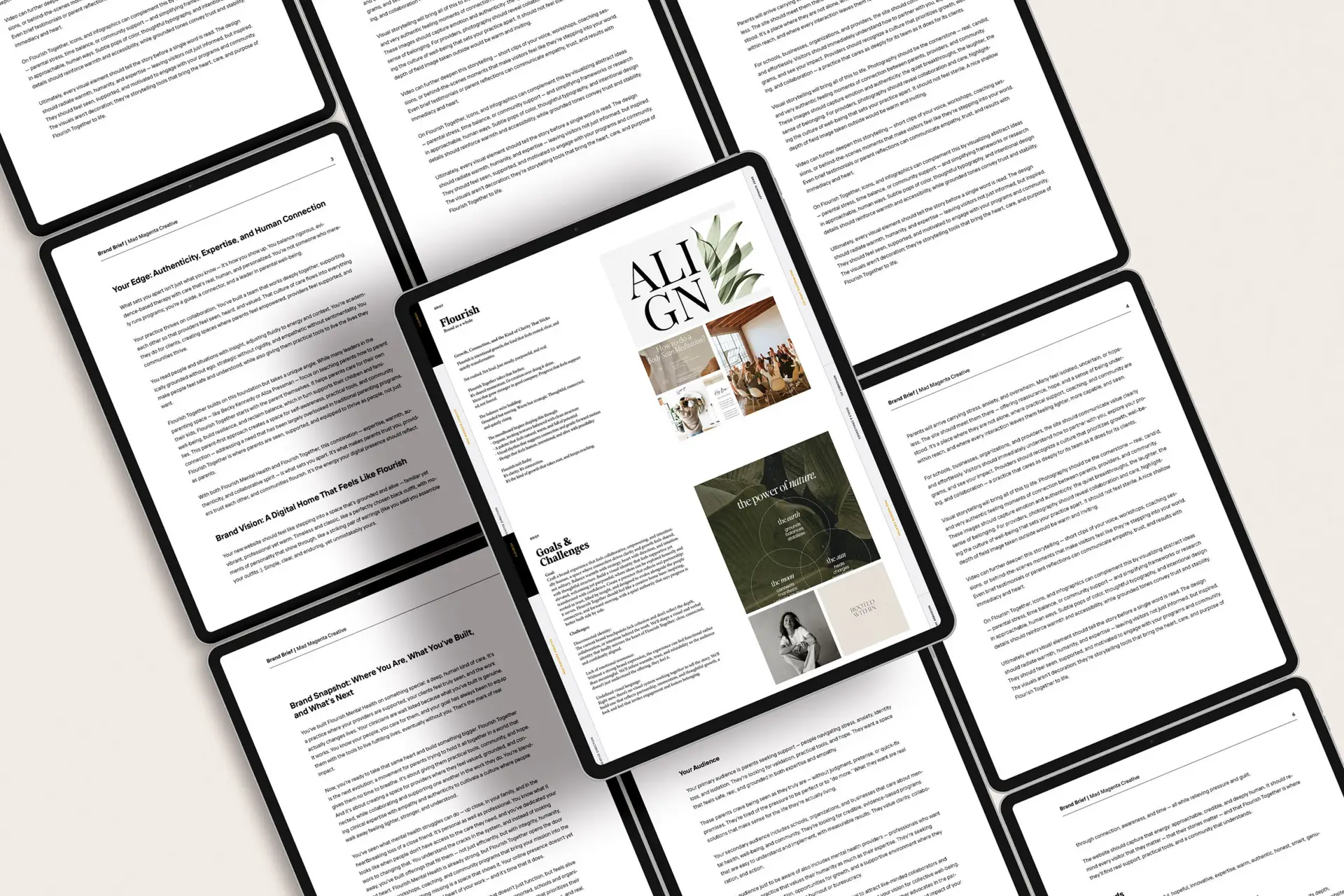
Over time, I realized that strategy is not something separate from design. It is the work that makes design possible without getting lost. It is the digging you do upfront with a client. The conversations that move past surface preferences and into what they believe, what they need, and where they are trying to go.
That early work is not about locking anything in. It is about going into unknown territory together and mining what sits beneath the surface. From there, you begin to see patterns. Tensions. Priorities. A point of view. That becomes the map.
Once that map exists, the work behaves differently.
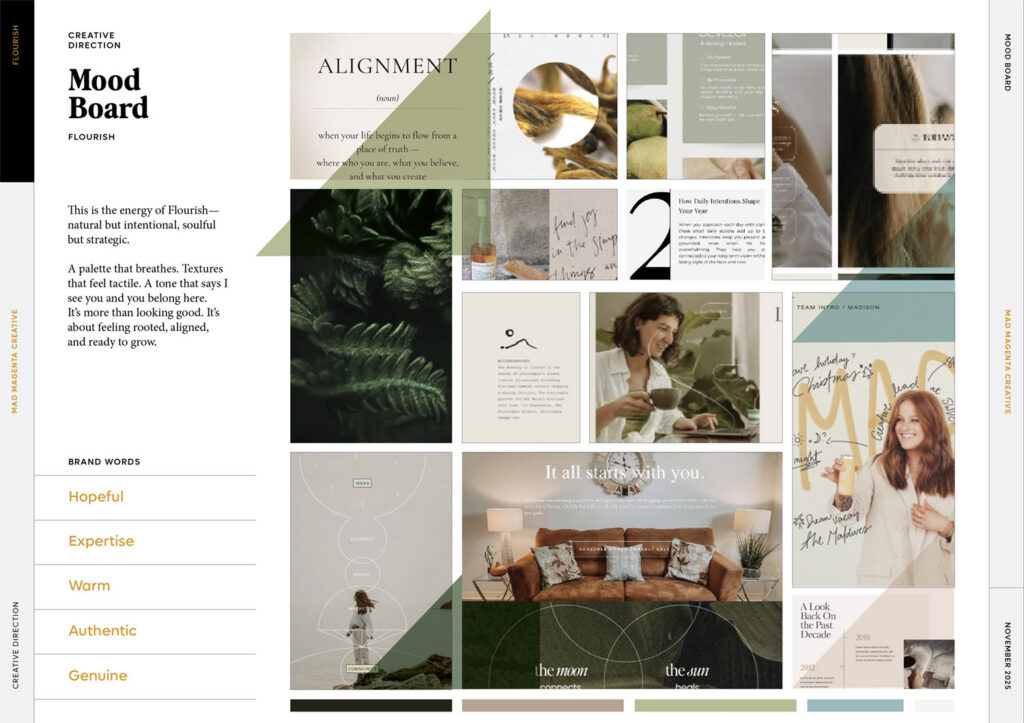
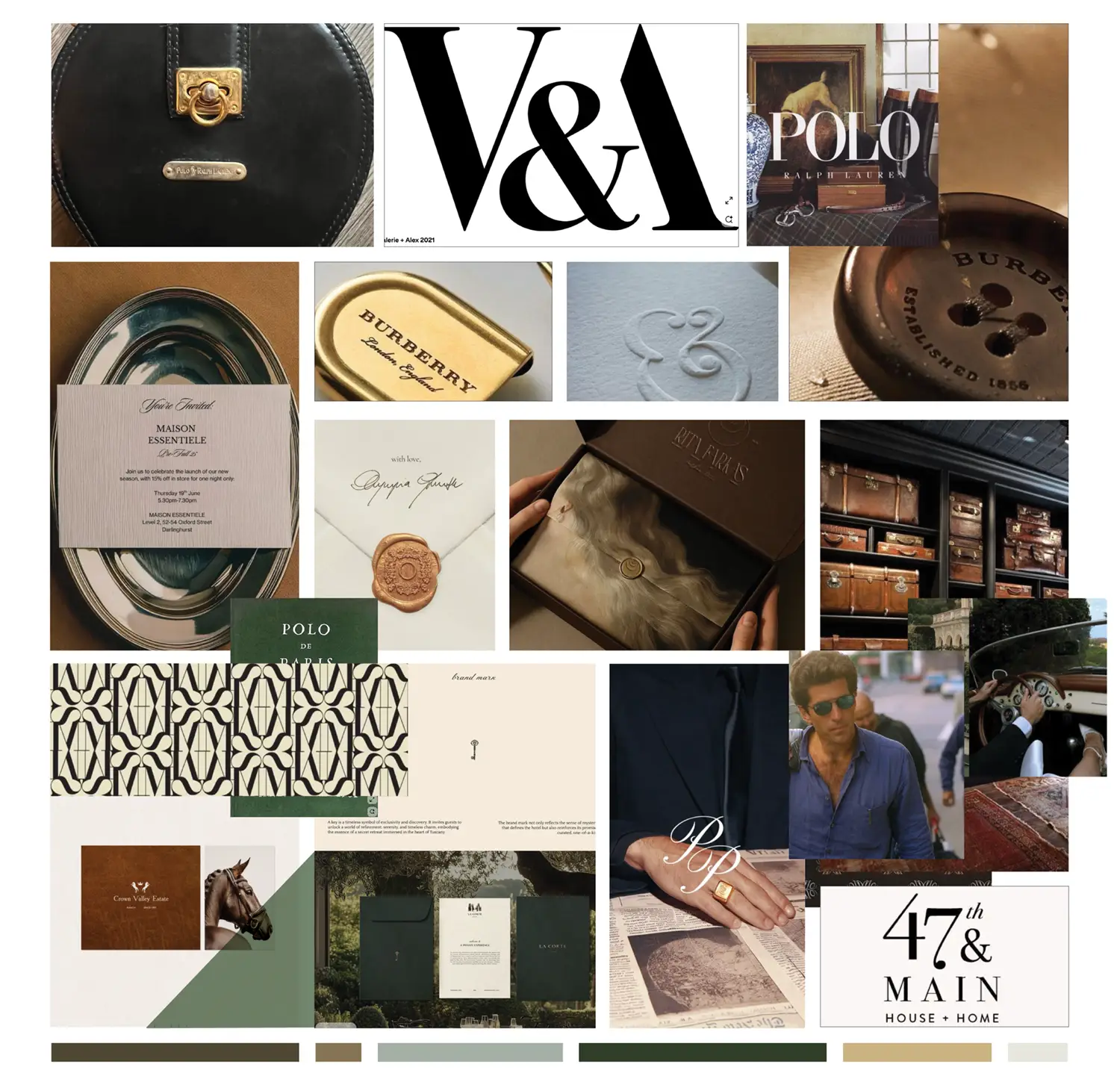
Before I design anything, we build alignment. We talk deeply. We translate thinking into mood boards so there is a shared visual language early on. That gives me a core to come back to at every step. A north star I can check decisions against.
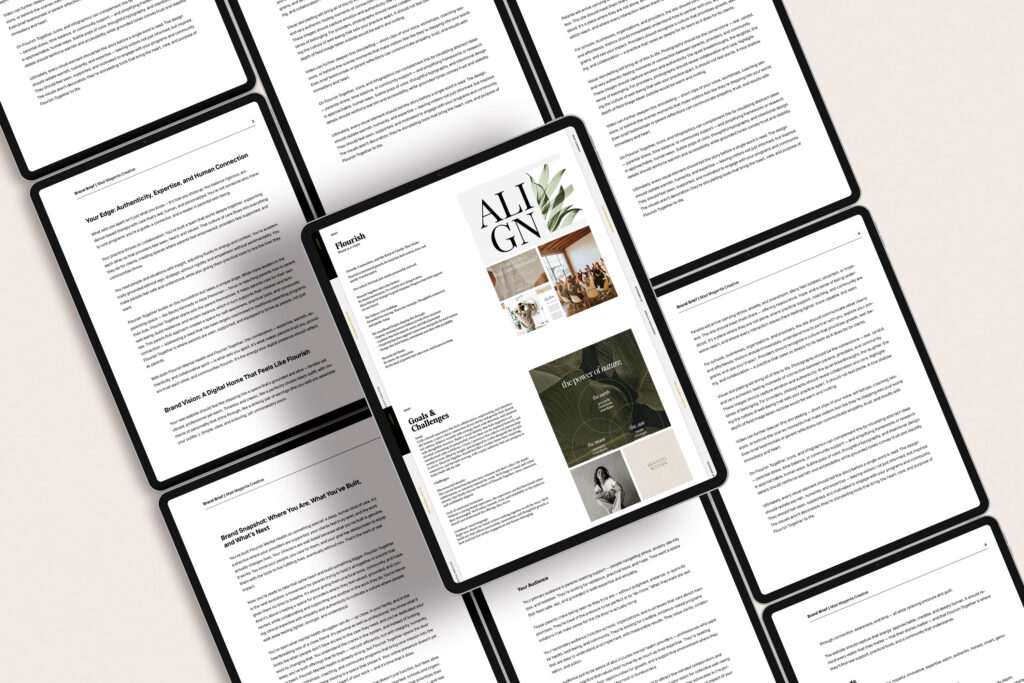
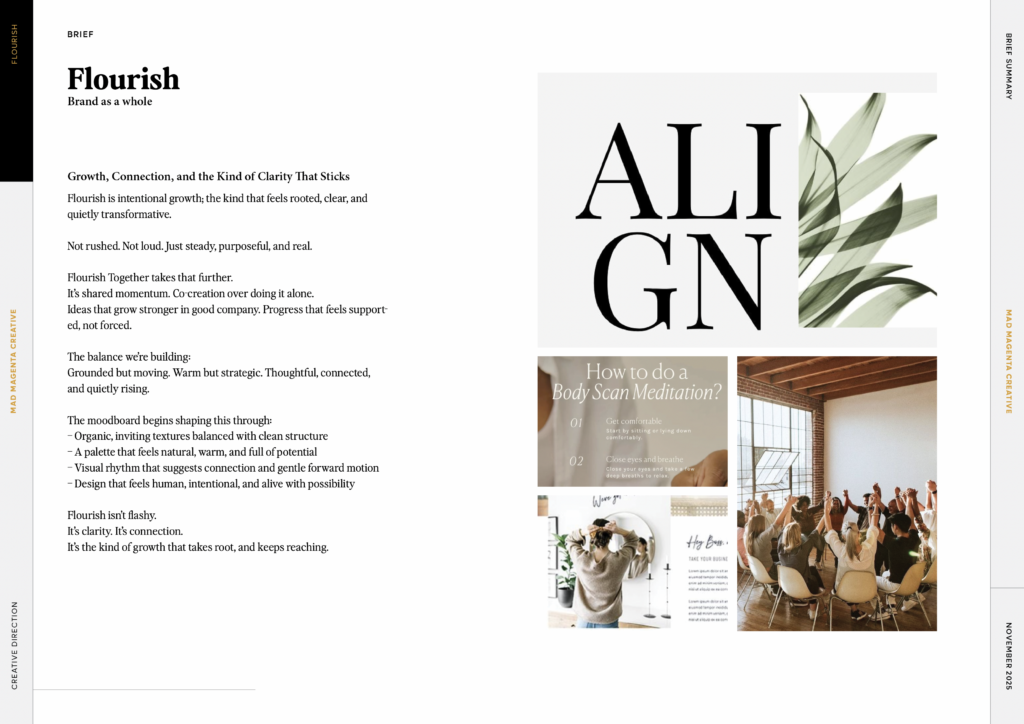
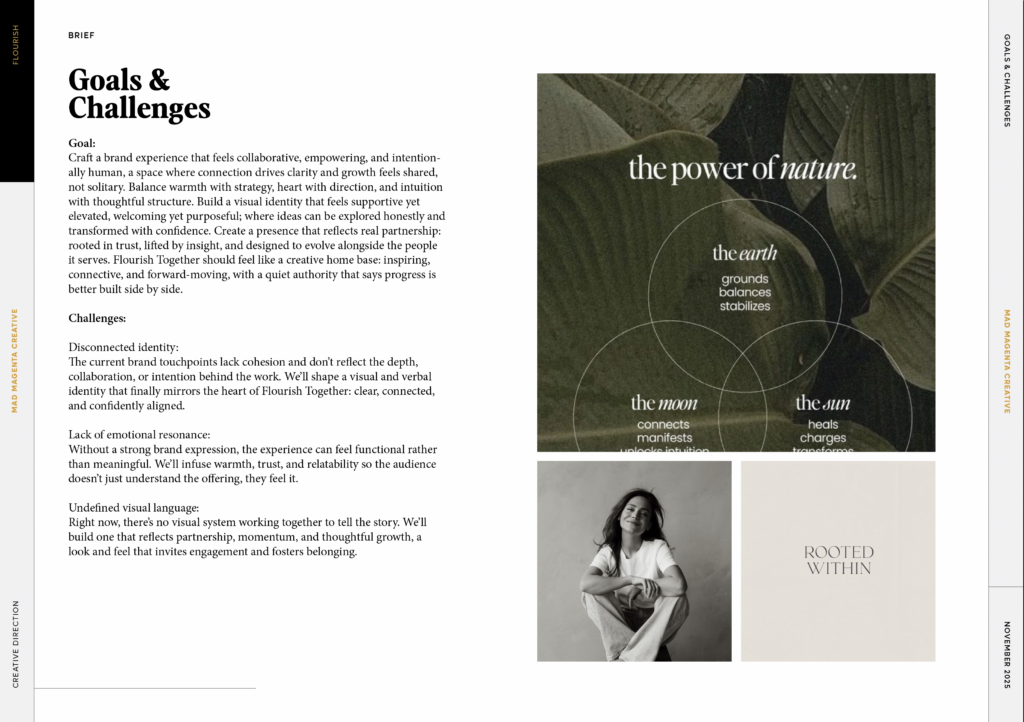
Instead of being pulled in every direction by good ideas, the work stays focused. Each round narrows rather than expands. The design moves forward with intention, not just momentum.
Without that upfront work, you can make beautiful things. You can even make award-winning work. But it may not land. It may not fit the client. It may not do the job it is meant to do.
Skipping or rushing strategy is risky. When there is no map, it is easy to get off course. Or never truly get on course to begin with.
When strategy is done well, it creates clarity on both sides. The process feels steadier. Feedback becomes more productive. Decisions are easier to make. The final work feels cohesive because it was guided the entire way, not just styled at the end.
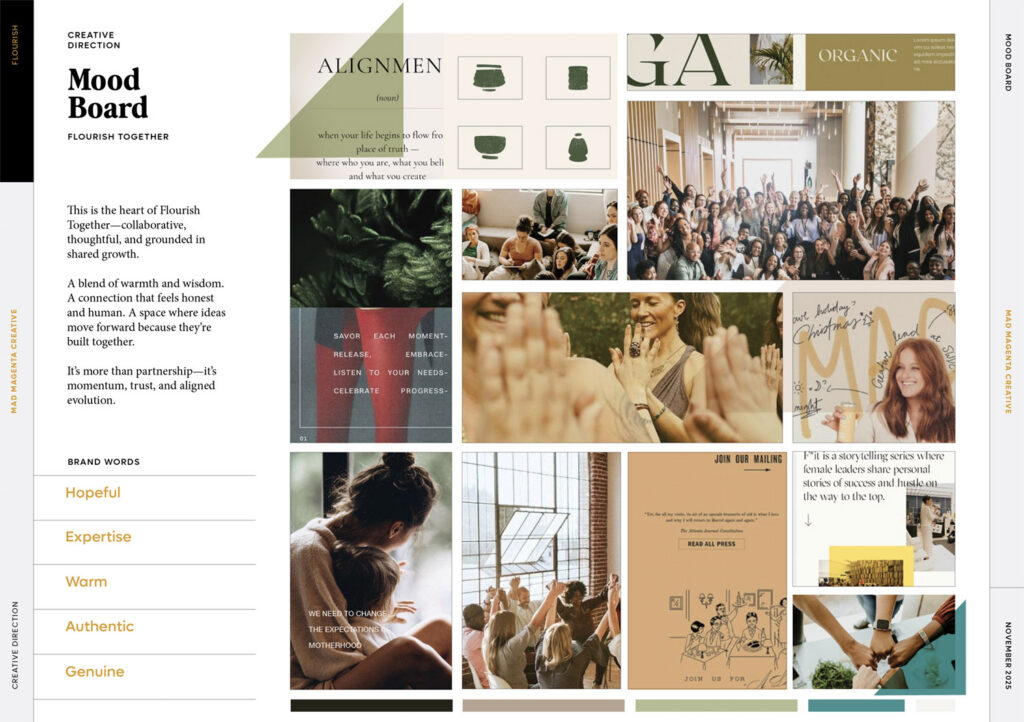
That is why I no longer see strategy as a separate phase. It is the thinking that allows the design to hold. It is what keeps the work intentional, efficient, and aligned from the first conversation through the final result.

be the first to leave a comment